Implemented in source
Knowledge Image verification, deterministic query plans and receipts, migration, policy and authority primitives, durable runs, replay, diagnostics, and TypeScript/Rust conformance.
Knolo 6.2.0 published · V4 compatibility preserved · Apache-2.0Knolo 6.2.0 published · V4 compatible
HIVE · Production systems on Knolo
Knolo turns approved knowledge into portable, verifiable Knowledge Images. HIVE takes that foundation from workflow evaluation into production.
Evidence over demos. Models are replaceable. The system is the product.
Evidence query
What does the 2024 MSA say about indemnification for subcontractors?
Answer · strict
lexical first · rerank off
Indemnification for subcontractors is in §8.3 of the 2024 MSA. The contractor remains liable for subcontractor acts as if they were its own, with a written flow-down required before any subcontract is effective.
North star
01
What did the agent know?
02
What evidence did it use?
03
What was it authorized to do?
04
What did it change?
05
Can another machine reproduce and verify the result?
Software
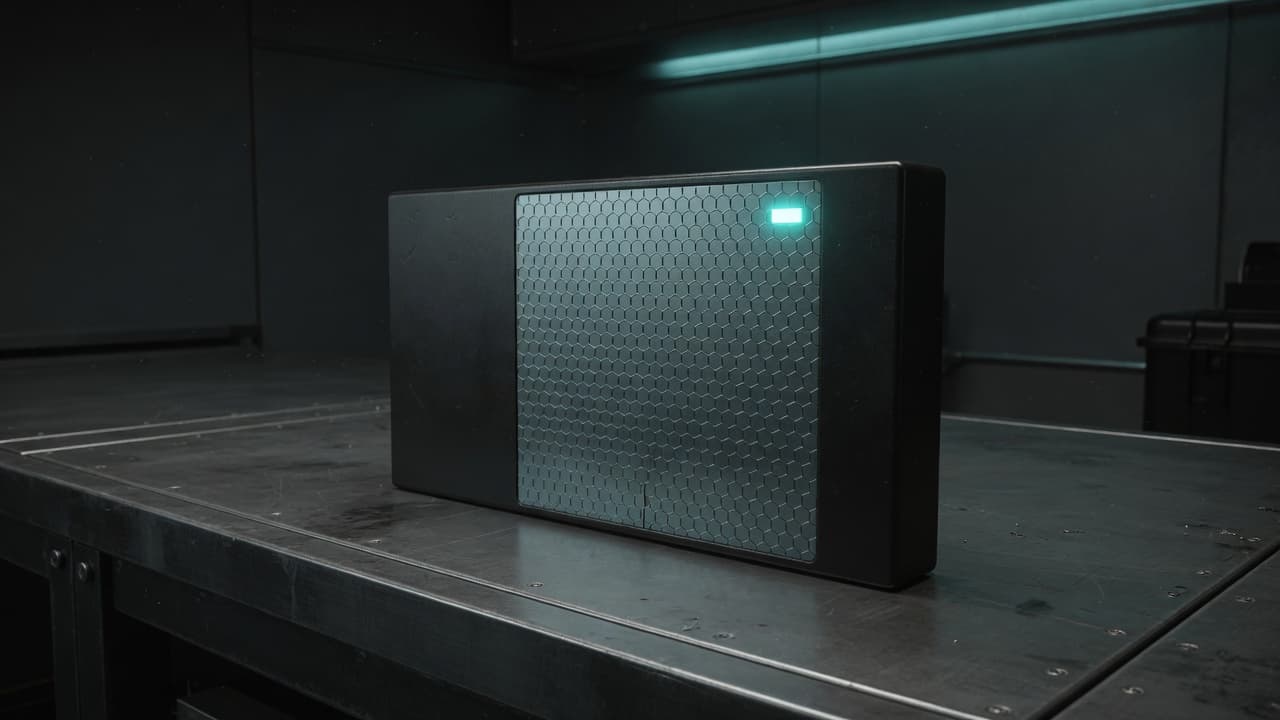
Knowledge Image
One mountable file: knowledge + state + policy + proofs.

Receipts
What was read, written, and run — with a trail another machine can verify.

Runtime
Verifiable state, durable runs, policy primitives, replay, and diagnostics. V6.2.0 published.
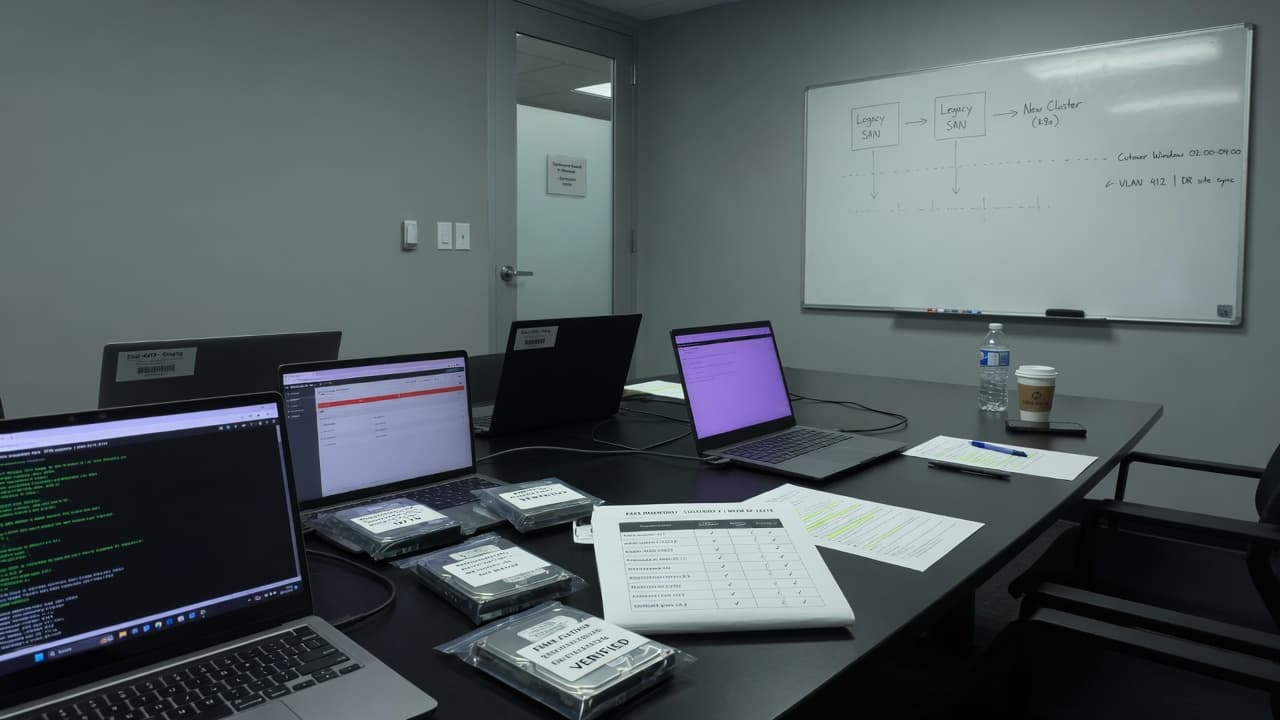
Bootcamp
How work starts. One corpus, one workflow, scoped after intake.
Failure mode
Not because the model is dull. Because the system cannot prove what it used, who allowed the action, or whether yesterday’s answer still holds.
01
The model answers. The source is the draft, the email, or last year’s policy.
02
An agent can write, send, or file. Nobody can stop it with a record.
03
Quality is a demo reaction. Production has no defined pass/fail.
04
A prototype has sponsors, but no accountable production owner.
05
Privileged files sit in a vendor’s default region because the slide said “secure.”
Inspect the foundation
Knolo is Apache-2.0 software, not a slide about future software. V6.2.0 is the current published runtime, with the V4 retrieval path preserved for compatibility. Contracts continue to harden.
Knowledge Image verification, deterministic query plans and receipts, migration, policy and authority primitives, durable runs, replay, diagnostics, and TypeScript/Rust conformance.
General transactional mutation, production multi-writer coordination, hosted orchestration, and the complete Studio service and interface.
How clients start
01
Name one valuable workflow, the representative source material, the owner, and what a correct result must prove.
02
Five focused engineering days produce an evaluated workflow on Knolo and a clear production recommendation.
03
A bounded 6–12 week engagement adds production integrations, identity, approvals, observability, and operational hardening.
04
The customer can self-operate, use HIVE-managed operations, or choose a hybrid support boundary.
The product
Knolo complements the models, frameworks, and databases already in your stack. V6.2.0 is published, with V4 compatibility preserved; broader transactional and coordination surfaces remain in development.
01
Durable agent runs: tools, budgets, approvals, resume, audit.
V6.2.0 published; contracts continue to harden
02
Embedded transactional knowledge database inside the runtime.
Transactional mutation remains follow-on work
03
One mountable file: knowledge + state + policy + proofs.
V4 compatibility preserved; V5 container is the published image
04
Evidence Query Language. Canonical evidence packages.
V5 query-planning foundation active
05
Agent memory on the same ledger.
V4: overlay log. V5: ledger-backed views
06
Read / write / run evidence.
V4: read receipts. V5: read + write + run
07
Open one artifact. Inspect roots, timelines, plans, runs.
Read-only V5 snapshot contract; full UI remains follow-on work
Who it is for
Who it is not for
Founder-led engineering
Sam Paniagua is HIVE’s founder and Principal AI Architect. He has spent more than two decades building software and systems across private AI, retrieval, agents, and production infrastructure. He leads the architecture behind Knolo and the systems HIVE takes from evaluation into production. The company story and the Knolo product, including V6.2.0, stay on this site.
KNOLO BOOTCAMP
A focused five-day engineering evaluation using representative source material and the deployment boundary you name. Friday brings an evaluated workflow, evidence path, findings, architecture, and a production recommendation.
Bootcamp scope and pricing are confirmed after technical intake. Not ready to evaluate a workflow? Talk to engineering.
Explore KnoloClient services
Hive Forensics AI builds them on Knolo, so answers stay grounded in your sources. AI chatbots and voice agents.